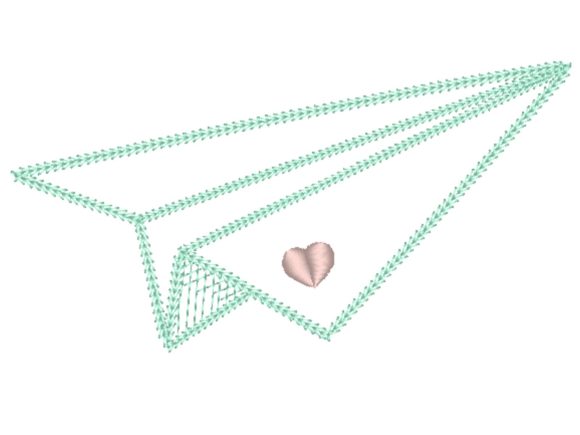
Paper Plane Applique: A Designer’s Review
As an embroidery designer who has tested thousands of files for commercial production, I approach every new machine embroidery design with a critical eye. When planning inventory for a personalized gift shop or an Etsy store, the difference between a bestseller and a return often lies in the digitizing quality and the emotional resonance of the motif. Recently, I have been evaluating the Paper Plane Applique design for upcoming custom orders. This review breaks down my practical testing experience, focusing on how this digital file translates into a tangible, high-value product for clients seeking meaningful keepsakes.
First Impressions and Emotional Resonance
Upon loading the embroidery file into my software, the immediate impression of Paper Plane Aplique is one of nostalgic sweetness and modern simplicity. Unlike complex, dense designs that can feel heavy or dated, this motif carries a lightness that appeals to contemporary buyers. The paper plane symbolizes travel, adventure, childhood innocence, and the journey of life, making it incredibly versatile within the "Around The World" category while remaining soft enough for nursery decor.
For a handmade product creator, this balance is crucial. The design does not scream "generic clip art"; instead, it feels curated and intentional. In my test run, the applique layers registered cleanly, creating a tactile dimension that flat embroidery cannot achieve. This texture adds perceived value immediately. When a customer touches the raised fabric edges of the plane against a smooth cotton background, the sensory experience reinforces the price point of a personalized gift. It strikes a chord that is playful yet elegant, avoiding the overly cutesy aesthetic that sometimes limits the longevity of baby items.
Ideal Applications for Personalized Gifts
During my product planning phase, I identified several high-potential applications for Paper Plane Aplique based on current market trends and client requests. The versatility of this design makes it a workhorse for various niches:
- Nursery and Baby Embroidery: This is the primary use case. The design works beautifully on receiving blankets, crib sheets, and diaper bag tags. Because the stitch density is generally moderate in applique work, it remains soft against sensitive skin, which is a non-negotiable factor for parents.
- Wedding Gift and Honeymoon Keepsakes: For couples who love to travel, this design serves as a unique alternative to traditional monograms. I envision this on tote bags for destination weddings or pillow covers for a guest room. It signals a shared passion for adventure rather than just marital status.
- Kitchen and Home Textiles: Tea towels and aprons are staple items for craft fairs. The paper plane motif adds a whimsical touch to functional items without being seasonal, ensuring year-round sales potential.
- Etsy Seller Listings: For digital product sellers or those offering print-on-demand style customization, this design photographs exceptionally well. The clean lines and distinct shapes read clearly even in thumbnail images, increasing click-through rates.
Critical Considerations for Fabric and Placement
While Paper Plane Aplique is charming, successful custom embroidery requires understanding where *not* to use a design. Through testing, I have noted specific scenarios where caution is required to maintain professional quality.
Textured and Pile Fabrics: Applique relies on precise edge definition. On thick terry cloth towels or high-pile fleece, the fabric edge of the plane can get lost or fray if the tack-down stitches are insufficient. If you are producing an embroidered towel, you must use a water-soluble topping to keep the pile depressed and ensure the applique fabric sits flush. Without this step, the design will look messy and amateurish.
Stretchy Knits and Onesies: Baby clothes are often made of ribbed knit or jersey. These fabrics distort easily under hoop tension. Paper Plane Aplique should only be stitched on these garments if you are using a high-quality cut-away stabilizer and potentially a fusible backing to prevent puckering. A distorted plane on a stretched onesie ruins the geometric integrity of the design.
Small Details and Lettering: If you plan to add personalization (like a name or date) alongside the plane, verify the minimum text height. Applique adds thickness; placing tiny satin-stitch lettering too close to the folded edges of the plane can cause needle deflection or thread breaks. Always leave adequate breathing room between the graphic and the text to preserve legibility after washing.
Enhancing Perceived Value and Customer Trust
In the competitive landscape of small shop products, trust is built through consistency. Using a well-digitized design like Paper Plane Aplique signals to buyers that you care about technical excellence. When the registration marks align perfectly and the satin stitch edging is smooth, customers perceive the item as heirloom-quality rather than mass-produced.
Furthermore, this design enhances product photography. The distinct shape allows for creative staging—perhaps placed next to a vintage map, a passport, or baby shoes. These visual cues help the buyer imagine the item in their own life. For Etsy sellers, creating a printable mockup or a digital preview using this design can also drive sales before you even thread a needle, provided your mockup accurately represents the stitch texture and scale.
Practical Testing Notes for Makers
Before listing any finished product featuring Paper Plane Aplique, I strongly advise running through this technical checklist. As this is a digital embroidery file and not a physical patch, the final output depends entirely on your setup and materials.
- Verify Hoop Size Compatibility: Check the dimensions of the file against your machine’s capabilities. Do not assume resizing will maintain stitch integrity; significant resizing can alter stitch density and cause coverage issues.
- Test Thread Color Contrast: Run a sample on both light and dark fabrics. An applique that pops on white may disappear on navy blue unless you adjust the placement line color or add an outline. Ensure the thread colors complement the base fabric of your intended product.
- Stabilizer Selection: Match your stabilizer to the end-use. Use tear-away for stable woven cottons (like quilting fabric) but switch to cut-away for stretchy knits or items requiring frequent laundering, such as baby blankets and aprons.
- Wash Testing: If selling blanket embroidery or towels, wash and dry your test sample at least twice. Check for fraying edges, shrinkage distortion, or thread bleeding. A design that falls apart after one wash destroys customer trust.
- Licensing Confirmation: Crucially, review the terms included with the purchase. Confirm whether the license permits commercial embroidery on finished goods. Never assume rights; always validate that you are legally cleared to sell products made with this specific file.
Final Thoughts for Product Planning
Paper Plane Aplique represents a strong addition to any embroidery business focused on sentimental, travel-inspired, or child-centric gifts. Its success lies in its ability to bridge the gap between playful and sophisticated. However, as with all digital embroidery files, the magic happens in the execution. By respecting the technical requirements of applique, choosing appropriate substrates, and validating your licensing, you can transform this simple digital asset into a signature handmade product that delights customers and builds a loyal following. Always remember to check the specific file details provided by the digitizer before beginning your production run to ensure compatibility with your specific equipment and business goals.