Brown Fish Cap Design: A Crafter's Review
First Impressions for the Craft Fair Table
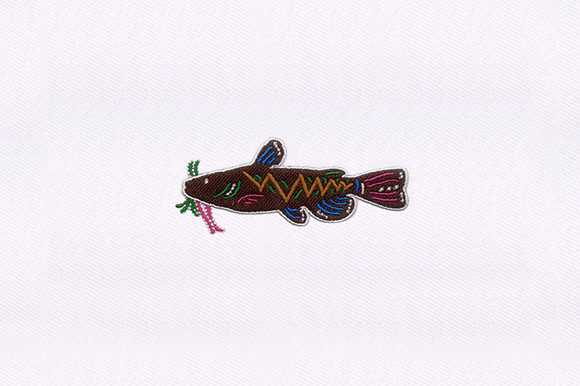
As an experienced embroidery designer preparing for a weekend craft fair, my first priority is assessing whether a machine embroidery design will actually stop customers in their tracks. When evaluating the Brown Fish Cap Design, the immediate impression is one of rustic charm and outdoorsy appeal. The title suggests a color palette that leans toward earth tones, which is currently a massive trend in the handmade market. Unlike bright neon or primary-colored fish designs that scream "children's wear," a brown-toned aquatic motif feels more mature, vintage, and versatile. This specific aesthetic positions the design perfectly for buyers looking for cabin decor, fishing gifts, or neutral nursery items rather than just novelty gear.
For a booth display, this design reads as cozy and traditional. It avoids the cluttered look of overly complex digitizing, suggesting a clean silhouette that works well from a distance. In a sea of colorful crafts at a busy market, the understated elegance of brown thread on natural linen or cream cotton creates a sophisticated contrast. As an Etsy seller or boutique maker, you want designs that communicate quality instantly. This design appears to offer that "heritage" feel that justifies a higher price point for finished goods compared to generic clip-art style embroidery.
Best Product Applications for Market Sales
Determining where to place the Brown Fish Cap Design is crucial for maximizing return on investment. While the name includes "Cap," limiting this design solely to headwear would be a missed opportunity for a diverse product line. Based on current market trends and the likely stitch structure, here is how I would prioritize production for a craft fair:
- Caps and Hats: Obviously, this is the primary intent. However, ensure you are using a curved cap hoop and appropriate backing. The brown tone looks exceptional on tan, olive green, or navy caps, appealing to anglers and outdoor enthusiasts.
- Tote Bag Design: Natural canvas tote bags are a staple craft fair product. A centered or pocket-sized placement of this fish design transforms a plain bag into a thematic accessory. The earthy colors complement unbleached canvas beautifully.
- Tea Towel Embroidery: For kitchenware, this design serves as excellent tea towel embroidery. Flour sack towels with a brown fish motif fit the farmhouse kitchen aesthetic perfectly. These are high-volume sellers because they are giftable and practical.
- Apron Embroidery: Positioning this design on the bib or lower pocket of a denim or linen apron creates a cohesive look for chefs and grill masters. It adds character without being overwhelming.
- Embroidered Patch: If the design has a defined border or can be adapted, stitching it out as a standalone patch allows customers to customize their own gear. Patches have a low material cost and high perceived value.
When listing these items online, remember that the Brown Fish Cap Design translates well to digital listings. Earth tones photograph consistently under various lighting conditions, reducing the need for extensive color correction in your printable mockup or product photography.
Production Practicality and Batch Efficiency
For a small shop product lineup, efficiency is key. You cannot afford to babysit every hoop during a production run. The Brown Fish Cap Design seems conducive to batch production, provided you verify the stitch density. Designs with moderate density run faster and reduce the risk of thread breaks or fabric puckering, which is essential when making twenty tea towels in a row. The versatility of the available formats—including DST, PES, JEF, HUS, and VP3—means this digital embroidery file is compatible with almost every commercial and home machine brand. This compatibility ensures that if you upgrade your equipment or hire a contractor, your design assets remain usable.
From a sales perspective, the visual clarity of this design aids buyer engagement. Customers at a craft fair often scan tables quickly. A distinct fish shape in a contrasting brown thread is readable in a split second. Ambiguous shapes or muddy colors cause hesitation. Furthermore, because the color scheme is neutral, it pairs easily with other inventory. You can display a brown fish tea towel next to a botanical print or a geometric pattern without clashing, strengthening your overall booth display strength and brand consistency.
Critical Technical Considerations and Warnings
Despite its potential, there are technical aspects of the Brown Fish Cap Design that require careful attention before mass production. As a professional, I must emphasize testing. Never assume a downloaded embroidery file is perfect for your specific substrate.
Fabric Texture and Stabilizer Choice
The "cap" designation implies the design was likely digitized for curved surfaces or structured fabrics. If you attempt to stitch this on a thin, stretchy t-shirt without modification, you may experience registration issues. Conversely, if stitching on thick terry cloth for towels, ensure the design has adequate underlay to prevent the fabric texture from poking through the stitches. Always match your stabilizer to the fabric weight; a tear-away might suffice for caps, but a cut-away is often safer for knit tote bags to prevent distortion over time.
Color Contrast and Detail Loss
Brown thread can sometimes disappear on dark fabrics like chocolate or charcoal. Test your thread colors against your intended background before running a full batch. If the contrast is too low, consider adding a subtle outline or shadow effect to define the edges. Additionally, check for tiny details. If the fish has small fins or intricate scales, these may get lost if you resize the design down significantly. Resizing below 70% of the original size often compromises stitch integrity. Always confirm the minimum viable size by stitching a sample.
Hoop Size and Licensing
Verify the physical dimensions of the design against your available hoops. Just because you have a 5x7 hoop doesn't mean the design fits comfortably with room for stabilization. Check the metadata in your software. More importantly, review the licensing terms. While the file formats suggest broad compatibility, you must confirm you have the right to sell the finished product commercially. Some designers restrict mass production or require attribution. Clarifying this protects your business from legal issues down the road.
Designer Notes for Successful Implementation
To ensure the Brown Fish Cap Design becomes a profitable asset rather than a source of frustration, follow this pre-production checklist:
- Stitch Out a Sample: Never sell based on a screen view. Stitch the design on the exact fabric you plan to sell. Inspect the tension, trim jumps, and overall feel.
- Check Thread Compatibility: Ensure your brown thread matches across brands if you use multiple machines. Polyester and rayon reflect light differently; mixing them in the same design can look disjointed.
- Create Real Mockups: Photograph your actual sample on the product. Stock photos don't convey the tactile quality of handmade product embroidery. Buyers want to see the stitch texture.
- Test Wash Durability: For items like tea towels and aprons, wash and dry your sample. Brown dye can sometimes bleed or fade. Confirm the commercial embroidery holds up to laundering before labeling it as durable.
- Optimize for Speed: If the design feels too dense for high-volume craft fair prep, consult a digitizer about optimizing the pathing or reducing fill density slightly. Saving ten seconds per stitch-out adds up when producing fifty units.
By treating the Brown Fish Cap Design with professional scrutiny, you transform a simple digital file into a reliable revenue stream. Its rustic aesthetic and broad application potential make it a strong candidate for any maker focused on quality, outdoor themes, or farmhouse style. Whether you are stocking an Etsy shop or setting up a weekend booth, this design offers the versatility and visual appeal necessary to convert browsers into buyers. Remember, success in machine embroidery lies not just in the art, but in the disciplined execution of production and presentation.