Santa's Helper: A Business Embroidery Review
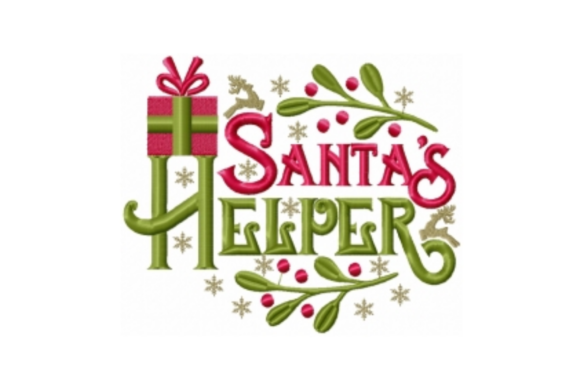
As an experienced embroidery designer, I approach every new machine embroidery design with a critical eye toward production viability and commercial application. When evaluating Santa’s Helper, described as a joyful design for Christmas parties and digitized under license from Creative Fabrica, my primary focus is how this artwork translates from a digital screen to a tangible business asset. For small business owners, Etsy sellers, and apparel decorators, a design must be more than festive; it must be functional, durable, and aligned with professional branding standards. This review examines the technical performance and merchandising potential of Santa’s Helper for real-world commercial use.
Visual Personality and Brand Alignment
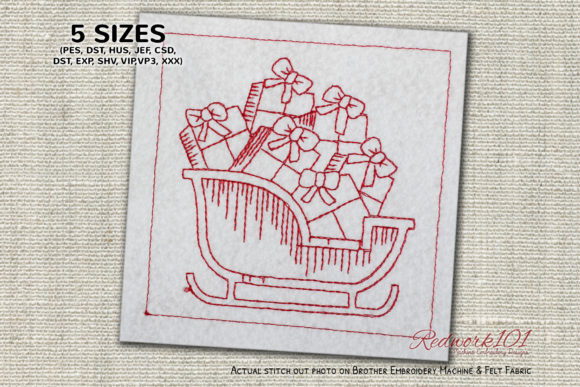
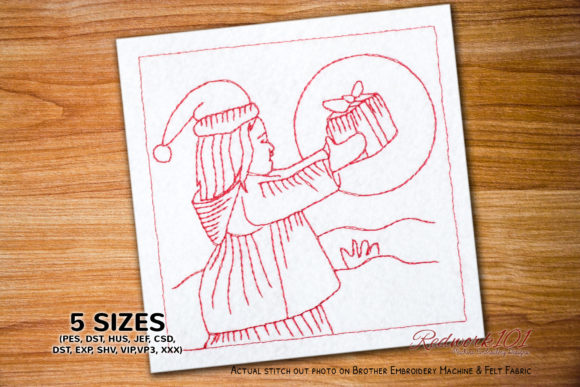
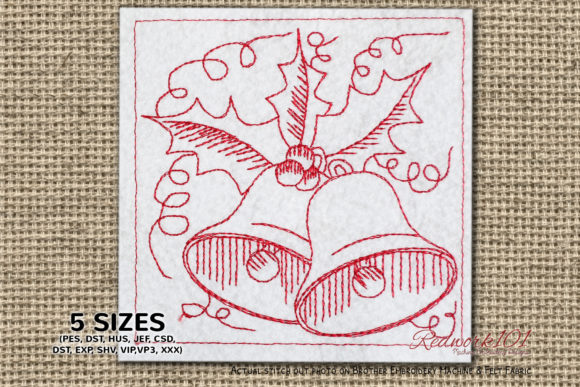
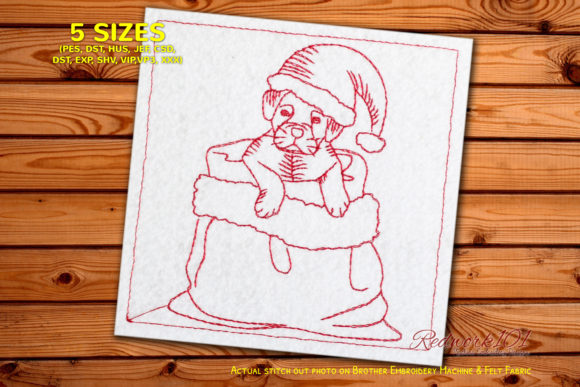
The first impression of Santa’s Helper suggests a playful yet structured aesthetic that bridges the gap between traditional holiday nostalgia and modern boutique charm. For a handmade brand or local business, this visual tone is crucial. It does not read as generic clip art but rather as a curated piece of seasonal branding. The "joyful" descriptor implies open spaces and inviting motifs, which typically translate well in embroidery because they avoid excessive density. However, the true test lies in whether this playfulness maintains professionalism when applied to staff uniforms or premium merchandise.
For businesses like bakeries, florists, or pet brands, this design offers a warm, approachable identity marker. It signals to customers that the business participates in community traditions while maintaining a distinct visual style. When integrating Santa’s Helper into your brand identity, consider if the artwork’s weight matches your existing logo assets. A design that is too delicate may get lost on heavy canvas tote bags, while one that is too bold might overwhelm a lightweight apron. The balance achieved in this digitization appears suitable for mid-weight applications, making it a versatile candidate for seasonal collections.
Commercial Applications for Small Business Merch
In the realm of small business merch, versatility drives return on investment. Santa’s Helper shows significant promise across multiple product categories. For hospitality venues and cafes, this design works exceptionally well as apron embroidery. Placed on the chest pocket area or centered above the waist tie, it adds a festive touch to staff attire without compromising the uniform's professional integrity. The design’s likely color palette allows for easy coordination with standard holiday uniforms, such as red, green, or cream base garments.
Retailers and makers can leverage this artwork for tote bag design and packaging accents. An embroidered tote featuring Santa’s Helper serves as both a sellable product and a walking advertisement during the busy holiday shopping season. For creative studios and craft businesses, applying this design to felt ornaments or fabric gift tags creates high-value add-ons that enhance the unboxing experience. Furthermore, for those selling digital products or physical goods online, using a printable mockup of this embroidery can significantly boost listing engagement by showing customers exactly what the finished product looks like before they buy.
Patch Production and Cap Embroidery
Creating an embroidered patch requires specific design characteristics, including clean satin borders and manageable detail levels. Santa’s Helper appears adaptable for patch production, provided the digitizer has accounted for pull compensation. Patches made from this design could serve as limited-edition collectibles or loyalty rewards for customers. Similarly, cap embroidery presents unique challenges due to the curved surface and limited vertical space. If utilizing this design for headwear, verify that the vertical height fits within standard cap frames (usually under 2.5 inches) and that fine details have been simplified to prevent needle breaks or registration issues on structured caps.
Technical Considerations and Production Safety
While the artistic merit of Santa’s Helper is clear, successful commercial embroidery depends entirely on technical execution. Before committing to bulk production, you must evaluate specific variables that affect stitch-out quality.
- Stitch Density and Fabric Texture: Assess whether the stitch density is appropriate for your intended substrate. High-density fills on lightweight fabrics cause puckering, while low-density fills on textured fabrics like fleece may result in gaps. Test on the actual material you plan to use.
- Thread Colors and Contrast: Review the assigned thread colors against your inventory. Seasonal designs often require specific shades that may differ between brands. Ensure sufficient contrast exists between the design elements and the background fabric to maintain visibility at a distance.
- Hoop Size and Stabilizer: Confirm the required hoop size before purchasing or downloading the embroidery file. Using the correct stabilizer is non-negotiable; a tear-away may suffice for stable cottons, but cut-away is essential for stretchy knits or cap fronts to prevent distortion.
- Small Text Legibility: If Santa’s Helper includes text elements, scrutinize them at reduced sizes. Lettering smaller than 4mm often becomes illegible after washing. You may need to edit the digital embroidery file to increase font size or simplify serifs for production runs.
Strategic Implementation and Licensing Compliance
Integrating Santa’s Helper into your business workflow requires strategic planning beyond the machine itself. Always begin with a test sew-out in black and white thread. This removes the distraction of color and reveals the underlying structure, highlighting any registration errors or unnecessary jumps. Compare the test sew-out beside your other design assets to ensure visual consistency across your holiday collection. Does the stitch direction complement your existing logos? Is the scale proportional to your other branded items?
Customer trust is built on quality. A poorly executed embroidery job, regardless of how beautiful the source art is, reflects negatively on your business. Inspect spacing and outline alignment meticulously. If the design includes intricate shading, consider whether simplifying it would improve durability for items requiring frequent washing, such as café aprons or children’s wear. Remember that custom apparel clients expect longevity; optimizing the design for washability is just as important as its initial visual appeal.
Licensing and Commercial Rights Verification
Crucially, because Santa’s Helper is noted as being digitized under a license granted by Creative Fabrica, you must verify the specific terms of that license before selling any merchandise. Not all licenses cover commercial end-products, and some restrict the number of units sold or require attribution. As a responsible business owner, review the license agreement associated with your specific download. Confirm whether the license permits use on physical goods for sale, digital distribution, or both. Never assume that purchasing a machine embroidery design automatically grants unlimited commercial rights. Protecting your business legally is the foundation of sustainable growth in the handmade and decoration industry.
Ultimately, Santa’s Helper represents a valuable opportunity for seasonal branding when approached with professional diligence. By validating technical specs, testing on real substrates, and respecting licensing boundaries, small businesses can transform this joyful artwork into profitable, high-quality merchandise that resonates with customers and strengthens brand recognition throughout the holiday season.