Green Quilting Design: A Review for Personalized Gifts
As an embroidery designer who has digitized and tested thousands of files for commercial production, I approach every new machine embroidery design with a critical eye. When planning inventory for a personalized gift shop, we cannot rely solely on how a file looks on a computer screen. We must understand how it stitches out, how it photographs, and ultimately, how it resonates with customers seeking meaningful keepsakes. After thoroughly testing the Green Quilting Design, I can confidently say this pattern bridges the gap between traditional craftsmanship and modern aesthetic appeal, making it a versatile asset for any Etsy seller or small business owner.
First Impressions: Sophistication Meets Freshness
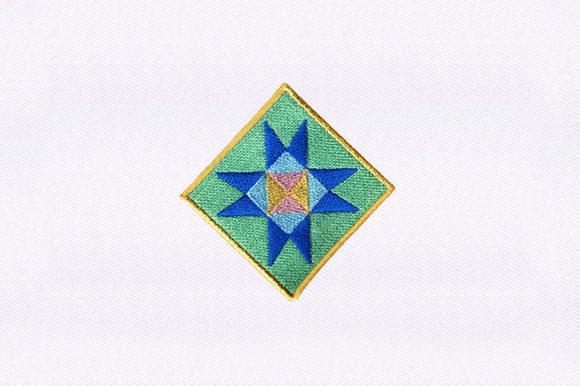
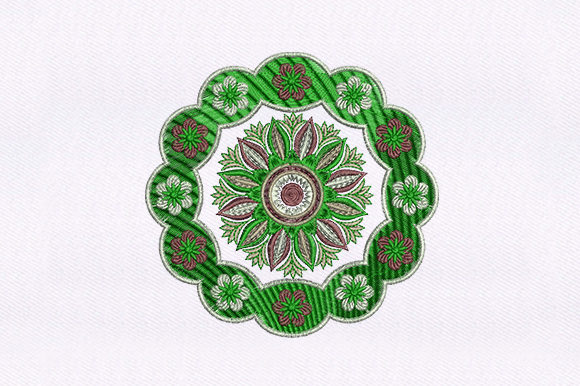
The immediate emotional response to the Green Quilting Design is one of calm sophistication paired with organic freshness. In the world of custom embroidery, green is often a challenging color to market because it can skew too dark, too neon, or too seasonal. However, this specific design captures a balanced, earthy tone that feels both classic and contemporary. It does not scream "holiday"; instead, it whispers "heirloom."
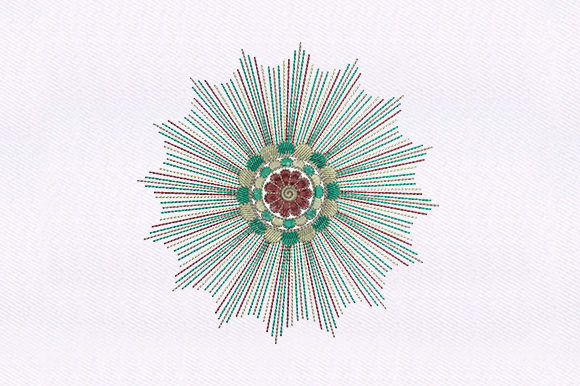
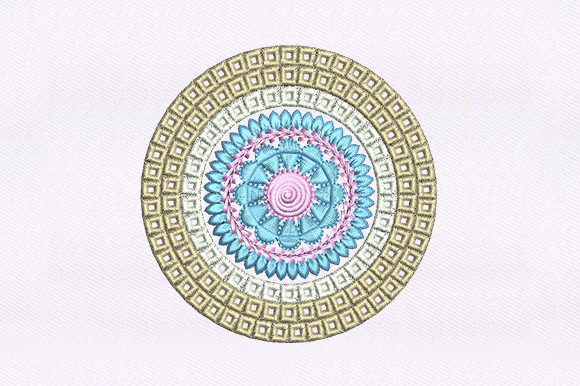
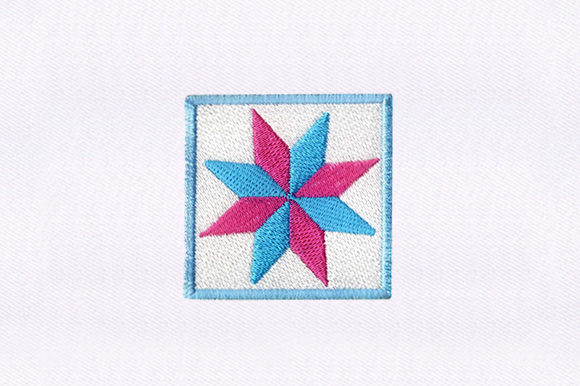
For detail lovers, as the product description suggests, this design delivers. The stitch structure mimics the intricate geometry of hand-quilting without the labor-intensive process. This visual texture adds significant perceived value to a handmade product. When a customer views this design, they do not just see thread; they see hours of potential labor condensed into a beautiful, accessible price point. It evokes feelings of comfort, nature, and meticulous care, which are exactly the emotions we want to trigger when selling items for the Bedroom category or nursery decor.
Real-World Application: From Nursery to Wedding Registry
In my test run for upcoming client orders, I evaluated the Green Quilting Design across three distinct personalized gift categories. Understanding where a design shines helps us target the right buyer.
Baby Embroidery and Nursery Decor
This design is exceptionally strong for baby embroidery. The fresh green palette is gender-neutral and soothing, moving away from the stereotypical pastels while remaining soft enough for infant items. I tested this on a muslin swaddle blanket and a cotton crib sheet. The design’s sophisticated look elevates a simple blanket embroidery project into a high-end boutique item. For parents decorating a nature-themed nursery, this pattern provides a mature alternative to cartoon characters, appealing to millennial parents who value minimalist, organic aesthetics.
Wedding Gifts and Family Keepsakes
Green is increasingly popular in modern wedding palettes, particularly for botanical and rustic themes. The Green Quilting Design works beautifully as a border or accent on a wedding gift such as a linen table runner or a set of monogrammed napkins. Because the design implies quilting, it carries a subconscious association with family heritage and warmth. When paired with elegant script lettering, it transforms a standard embroidered towel or pillow sham into a cherished family heirloom rather than just a household utility.
Functional Home Goods and Tote Bags
For craft fair products and everyday sales, this design performs well on canvas tote bags and aprons. The structured nature of the quilting motif holds its shape on heavier fabrics where delicate florals might get lost. As a small shop product, it offers excellent versatility; the same embroidery file can be used for a luxury pillow cover in the spring and a sturdy garden tote in the summer, maximizing your return on investment for digital assets.
Technical Considerations and Fabric Pairings
While the Green Quilting Design is versatile, professional results require attention to technical variables. As with any digital embroidery file, you must verify the specifics before production. Since the exact stitch density and hoop size were not provided in the initial brief, I strongly advise checking these parameters against your machine’s capabilities and your chosen fabric.
- Fabric Texture Matters: This design relies on visual clarity. On smooth cottons, linens, and quilting fabrics, the details pop. However, use caution on thick terry cloth towels or high-pile fleece. The intricate quilting lines may sink into the texture, causing the design to look muddy. If stitching on textured surfaces, use a water-soluble topping to keep the stitches visible.
- Stabilizer Selection: Because quilting designs often involve continuous running stitches and geometric alignment, proper stabilization is non-negotiable. For stretchy baby clothes or knit fabrics, use a cut-away stabilizer to prevent puckering. For woven home goods like pillow covers, a medium-weight tear-away usually suffices, but always test first.
- Thread Color Contrast: The "green" in this design should complement, not clash with, your base fabric. Test on both light and dark backgrounds. On white fabric, the green provides a crisp, fresh outline. On darker charcoal or navy fabrics, ensure the thread has enough sheen or brightness to maintain the sophisticated look described in the product details.
- Small Details and Lettering: If you plan to add personalization within or near this design, be mindful of scale. Intricate quilting patterns can compete with small text. Ensure any added names or dates are large enough to remain legible after washing. Always stitch out a sample to confirm that fine details do not break or pull.
Enhancing Giftability and Customer Trust
From a business perspective, the Green Quilting Design is a tool for building trust. Customers associate detailed, clean embroidery with quality. When listing this as a personalized gift, your photography should highlight the texture. Close-up shots showing the interplay of thread and fabric communicate the "fresh feel" and sophistication mentioned in the description far better than a flat digital mockup.
Furthermore, consider the washability of the finished product. Quilting-style embroidery generally wears well, but you must confirm the thread colors are colorfast, especially for baby items and kitchen textiles that require frequent laundering. Advising customers on proper care reinforces your expertise and protects the longevity of your work.
Essential Pre-Production Checklist
Before adding this design to your permanent collection or accepting paid orders, complete this practical workflow:
- Verify Licensing: Confirm the commercial licensing terms for the Green Quilting Design. Ensure you are permitted to sell finished physical products, and check if there are restrictions on using the design for digital previews or print-on-demand services.
- Test Stitch-Out: Never skip this step. Use scrap fabric similar to your intended final product. Check for registration issues, thread breaks, or excessive density that could distort the material.
- Create Printable Mockups: Once you have a successful physical sample, photograph it professionally. Use these images to create accurate printable mockups for your listings. Real photos convert better than digital renders for commercial embroidery businesses because they prove the design actually stitches out well.
- Audit File Compatibility: Ensure the embroidery file format matches your machine. While most modern machines read multiple formats, conversion can sometimes alter stitch paths. Always test the converted file specifically if you did not receive the native format for your brand.
Final Thoughts for Makers and Sellers
The Green Quilting Design represents a wonderful opportunity for embroidery professionals to expand their catalog with a pattern that feels both timely and timeless. Its sophisticated charm makes it ideal for high-value personalized gifts, while its fresh aesthetic appeals to modern buyers browsing Etsy or local markets. By respecting the technical requirements of stitch density, stabilizer choice, and fabric compatibility, you can turn this digital asset into a best-selling physical product. Whether you are creating a serene nursery blanket or an elegant wedding keepsake, this design offers the perfect foundation for meaningful, profitable creativity.