Quilting: A Versatile Design for Craft Fairs
First Impressions of Quilting
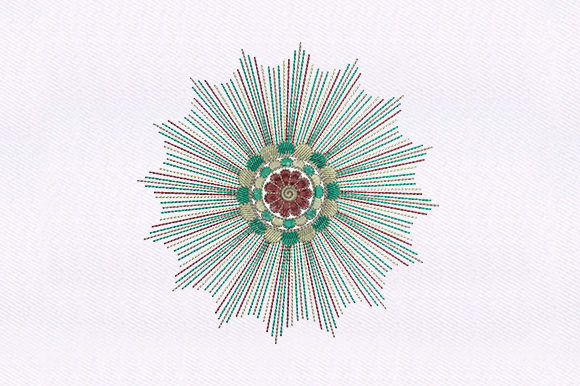
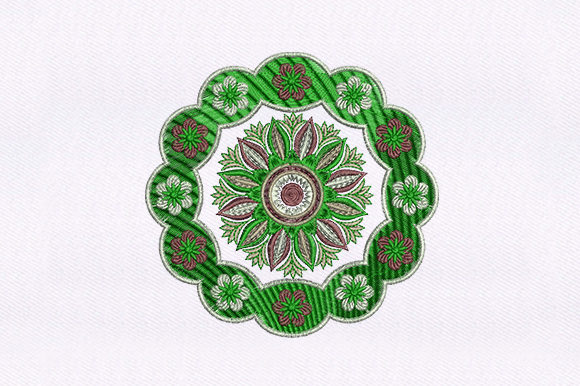
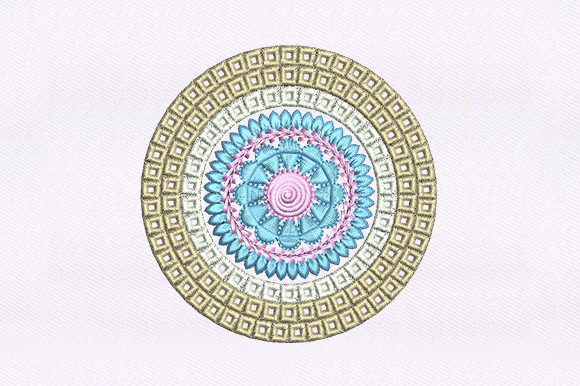
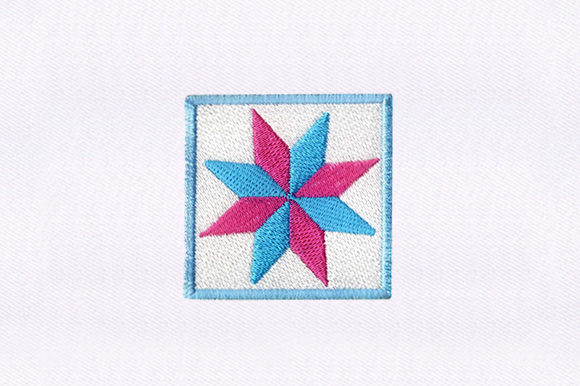
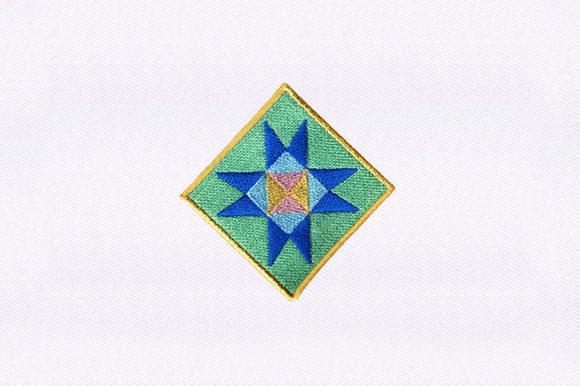
Upon first glance, Quilting exudes a charming and elegant vibe. The design feels both modern and timeless, making it a perfect fit for a wide range of handmade products. Its intricate yet clean lines suggest a high-quality, premium look that can elevate any item.
Tote Bags and Market Bags
On tote bags and market bags, Quilting stands out as a large focal design. The 6×6 hoop size allows for a substantial, eye-catching embroidery that can be easily seen from a distance. This makes it ideal for catching the attention of craft fair shoppers.
Aprons and Tea Towels
For aprons and kitchen towels, Quilting works beautifully as both a small accent and a larger central design. The elegant lines complement the practicality of these items, adding a touch of sophistication to everyday kitchen essentials.
Patches and Caps
Embroidered patches and caps benefit from the versatility of Quilting. The design's clean lines and balanced composition make it suitable for smaller, curved surfaces. Just be mindful of dense stitch areas and small details, which may require careful consideration to maintain clarity.
Fabric Pouches and Pillow Covers
On fabric pouches and pillow covers, Quilting adds a decorative and premium feel. These items, often used in the Bedroom, can be enhanced with the elegant and detailed embroidery, making them perfect for gift-giving or as a standout piece in a booth display.
Visual Clarity and Online Listings
Quilting is easy to understand at a glance, making it an excellent choice for Etsy listings and other online platforms. The design photographs well, showcasing its intricate details and overall elegance. This visual appeal translates into higher engagement and sales.
Batch Production and Consistency
The design's repeatable nature makes it ideal for batch production. Whether you're creating multiple tote bags or a set of pillow covers, Quilting maintains its quality and consistency, ensuring that each finished product meets your high standards.
Careful-Use Notes
- Dense Stitch Areas: Be cautious of dense stitch areas, especially on thinner fabrics. Use a stabilizer to prevent puckering and ensure a smooth finish.
- Tiny Details: Small details and lettering, if present, should be carefully reviewed to ensure they remain clear and legible, even at smaller sizes.
- Thick Fabric and Textured Towels: Test the design on scrap fabric to see how it performs on different textures. Thick fabrics and textured towels may require adjustments to thread tension and stabilizer type.
- Curved Cap Surfaces: When embroidering on caps, pay extra attention to the curvature of the surface. Adjust the design placement and use a cap-specific stabilizer to achieve the best results.
- Dark Fabric: Ensure there is enough contrast between the thread colors and the fabric. Darker fabrics may require lighter or more vibrant thread colors to make the design stand out.
Enhancing Visual Appeal and Customer Engagement
Quilting significantly enhances the visual appeal of any handmade product. Its elegant and detailed design draws customer attention and adds value to the items. By using Quilting consistently across your product line, you can create a strong brand identity and a cohesive booth display.
Embroidery Designer Tips
- Test on Scrap Fabric: Before starting your final project, test the design on scrap fabric to check for any issues with stitch density, thread tension, and stabilizer compatibility.
- Check Thread Contrast: Ensure there is enough contrast between the thread colors and the fabric to make the design stand out.
- Review Spacing and Placement: Carefully review the spacing and placement of the design, especially on items like caps and curved surfaces.
- Confirm Hoop Size: Make sure the 6×6 hoop size is appropriate for your machine and the specific product you are embroidering.
- Inspect Stitch Density: Check the stitch density to ensure it is suitable for the fabric and the intended use of the product.
- Use the Right Stabilizer: Select the appropriate stabilizer for the fabric and the design to achieve the best results.
- Create Real Mockups: Create at least one real mockup of the design on the intended product to see how it looks in person and to make any necessary adjustments.
- Compare Fabric Colors: Compare the fabric colors to the thread colors to ensure a harmonious and visually appealing combination.
- Confirm Commercial Licensing: Before selling finished products, confirm that you have the necessary commercial licensing for the embroidery file.
By following these tips and carefully considering the practical aspects of Quilting, you can create stunning and high-quality craft fair products that will captivate and engage your customers. Happy embroidering!